


Sale!

cyber security

Original price was: $4 200.00.Current price is: $3 100.00.

What is Cyber Security?

Simply put, Btech cyber security is all about protecting your digital life. It defends computers, servers, mobile devices, networks, and data from harmful attacks. When we ask what is cyber security, we’re talking about the practice of preventing unauthorized access, data theft, and online fraud.

Why It Matters:

  • Protects personal data (emails, photos, bank info)
  • Defends organizations from financial and reputational damage
  • Safeguards national security infrastructure

What is Information Security vs Cyber Security?

Though often used interchangeably, they’re not the same.

Aspect Cyber Security Information Security
Focus Digital data, devices, networks All forms of data (digital + physical)
Coverage Viruses, phishing, malware, network attacks Unauthorized access, data leaks, insider threats
Example Threat Ransomware locking your files Employee leaking confidential printed documents

So, what is information security? It’s the umbrella that covers the confidentiality, integrity, and availability of all information — not just what’s online.

What is Computer Network Security?

What is computer network security? It’s the shield that protects your internet-connected systems from malicious activities. It includes:

  • Firewalls
  • Intrusion detection systems (IDS)
  • Virtual Private Networks (VPNs)

This ensures only authorized users can access and share sensitive data across the network.

What is Information Technology Security?

Now, what is information technology security? It focuses on protecting all IT systems and infrastructure, including hardware, software, and data. It’s the backbone of corporate digital defense and includes everything from antivirus programs to encrypted storage solutions.

What is Cyber Safety?

If cyber security is the armor, cyber safety is the awareness. So, what is cyber safety? It’s the personal behavior and habits that help you stay safe online.

Simple Cyber Safety Habits:

  • Use strong, unique passwords
  • Don’t click suspicious links
  • Keep your software updated
  • Avoid sharing personal data on public platforms

What Are Cyber Threats?

What are cyber threats? They’re malicious attempts to damage, disrupt, or steal data. These threats come in many forms and can affect individuals and companies alike.

Common Cyber Threats:

Threat Type Description
Phishing Fake emails tricking you into revealing personal data
Ransomware Locks your files and demands payment for release
Trojans Disguised software that steals or damages data
DDoS Attacks Overloads servers to take down websites/services
Spyware Secretly records your activities without consent

What is Malware in Cyber Security?

So, what is malware in cyber security? The term malware means malicious software. It’s designed to:

  • Damage systems
  • Steal information
  • Monitor your activity

Types of Malware:

  • Viruses – replicate and spread
  • Worms – self-replicate without human action
  • Ransomware – blocks access until payment
  • Adware – bombards you with unwanted ads

Understanding what is malware in cyber security is vital to defending against these invisible enemies.

What is Zero Days?

Ever heard of zero-day attacks? Here’s the scoop:

  • What is zero days? A zero-day is a flaw in software that’s unknown to the vendor.
  • Hackers exploit it before a fix is available — making it incredibly dangerous.

Zero-days are often used in targeted cyber attacks where hackers want to breach even the most secure systems.

See also  A VIRTUAL WALK THROUGH A CRIME SCENE

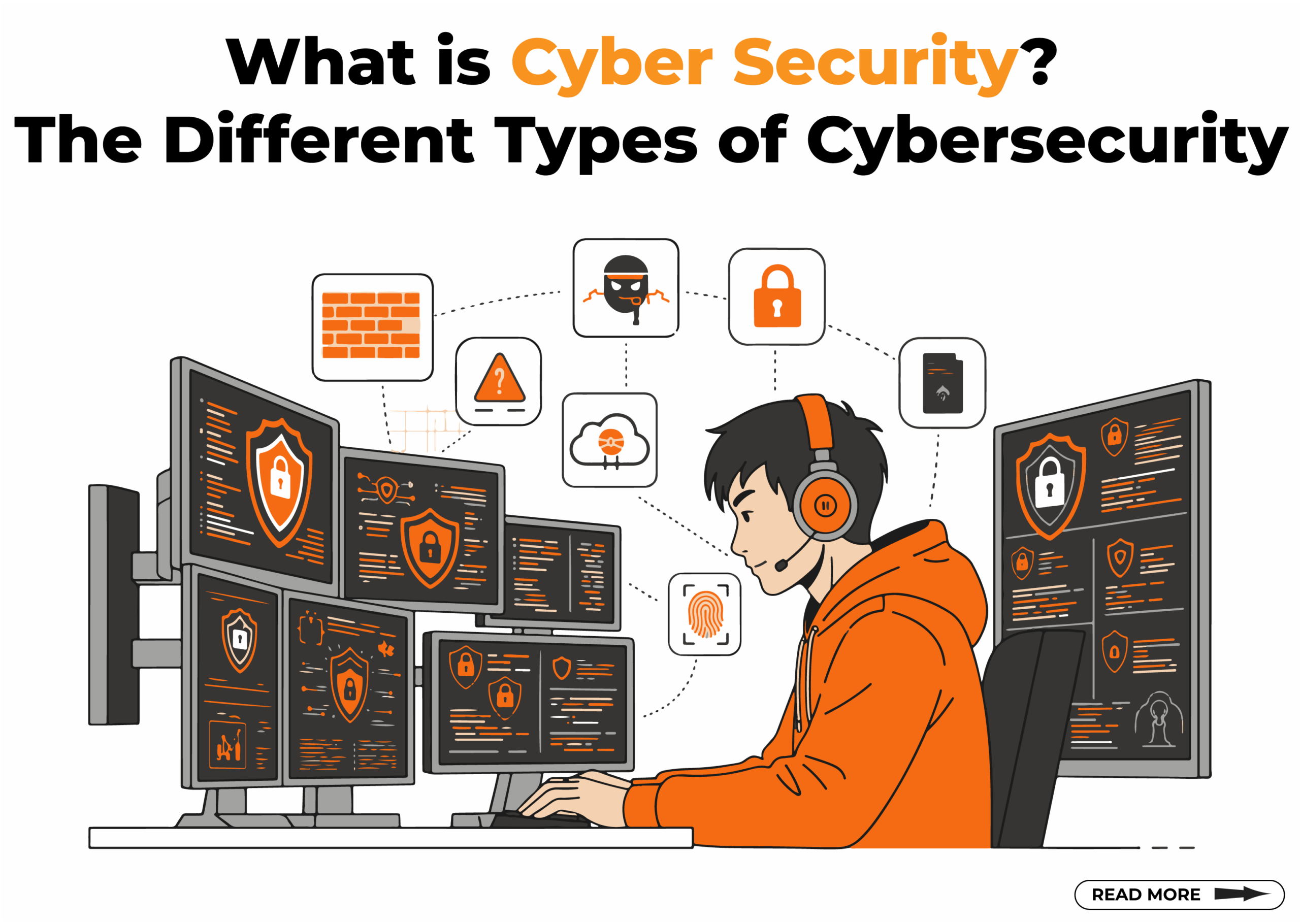
Types of Cyber Security

Now that you know what is cyber security, let’s explore its key branches:

Type of Cybersecurity Function
Network Security Protects internal systems and data in transit
Application Security Secures apps from vulnerabilities
Cloud Security Safeguards cloud-stored data
Endpoint Security Protects individual devices like laptops or phones
Operational Security Manages how data is handled, stored, and accessed
Disaster Recovery Helps recover quickly after a cyber incident

Each layer of cybersecurity works together to ensure complete protection from cyber threats.

FAQs

Q1. What is cyber security?
Cyber security protects digital data, systems, and networks from unauthorized access and attacks.

Q2. What is information security?
It focuses on securing all types of information—digital, printed, or spoken—from threats.

Q3. What is computer network security?
It protects your network infrastructure from cyber threats like intrusions and data breaches.

Q4. What is information technology security?
It safeguards IT systems—hardware, software, and data—against cyber risks.

Q5. What is cyber safety?
Cyber safety is practicing safe behavior online to avoid scams, viruses, and hacking.

Final Thoughts

From understanding what is cyber safety to knowing what are cyber threats, staying informed is your best defense. Whether you’re a student, entrepreneur, or casual internet user, being aware of what is cyber security and how to practice it daily is no longer optional — it’s essential.

In a digital world full of opportunities and risks, a secure click is a smart click

Category:

15 Common Cybersecurity Solutions Explained

Knowing trends in cybersecurity will help you develop your own strategies. When it comes to dealing with cybersecurity threats, here are a few trends to keep in mind:

1. Machine Learning Cybersecurity

Cybersecurity has relied on humans to inspect, identify and classify threats.

While effective, this method has many limitations as it requires a ton of expertise to manage. Humans are also prone to error, with 99% of cyber attacks caused by humans.

Modern tools for security use machine learning to automate decision-making security. This results in saving time for your IT security team. This is because automated machine tools have a more accurate and faster response.

Some machine learning cybersecurity trends you can include in your tools is DLP. DLP stands for data loss prevention, which uses machines to classify document sensitivity. Another one is the NGAV or Next-generation antivirus.

NGAVs automate your malware classification. What’s great about an NGAV is that it can identify malware even if they don’t match known binary patterns. In addition, email protection systems can also use machine learning to enhance cybersecurity.

2. Managed Detection and Response (MDR)

There are many cybersecurity acronyms such as MDR in cybersecurity. MDR stands for Managed Detection and Response. This service helps you detect and respond to malicious behaviors in your network.

You can choose from a variety of services and providers to help cover network security. You can also protect endpoints, cloud services, operational technology, and more. Investing in an MDR service helps offload work from your team.

What’s great about this is you can hire expert analysts to help assess threats. A key component of MDR is threat analysis and intelligence. An MDR can contain actions that help you make faster incident responses.

3. Endpoint Detection and Response (EDR)

If you are looking for continuous monitoring for endpoints, then EDR is the right tool for you. EDR or Endpoint Detection and Response continuously watch all endpoints. This includes laptops, desktops, servers, and even mobile devices.

An EDR helps you use tools to respond to threats. But an EDR automates this process for you, which helps make managing security easier. An EDR can either be a single platform or a suite of tools, and you can choose one depending on your needs.

This tool is the evolution of the antivirus. This is because the software performs similar functions as one. The key difference is that anti-viruses use signature-based detection. An EDR uses behavior-based detection, which means it can detect emerging attacks.

This makes an EDR capable of detecting APTs or advanced persistent threats. It can also detect file-less malware, which antivirus cannot detect. You can add an EDR component as an upgrade if you have an antivirus.

4. File Security

You should ensure your sensitive data can’t get accessed by unauthorized parties. You can do this by implementing file security. This helps your organization follow the standards required.

What’s great about having file security is you can show an audit of file activity if your file gets breached. File security identifies suspicious file activity for you. This includes attempts of a ransomware attack, data exfiltration, and even human errors.

5. Extended Detection and Response (XDR)

XDR or Extended Detection and Response are successors of EDRs. XDR is more holistic than EDRs as they detect threats outside the endpoint. An XDR can gather information from servers, cloud applications, endpoints, and more.

XDR has many features like the SIEM and SOAR tools. But the XDR has a different integration level and deployment. Its ability to address and detect threats also varies.

Extended Detection and Response innovated to solve issues in the SIEMs. This includes incomplete, failed, and immature deployments of SIEMs. XDR can centralize your normalized data. This provides you with correlated data and alerts to security incidents.

The XDR’s incident response functionality can use your security policies. An XDR can give you real-time hunting of threats and determination of real vs. fake attacks. It can also determine IoCs or indicators of response and provide deeper investigations.

6. Security Information Event Management (SIEM)

SIEM, which stands for Security Information and Event Management, serves various functions depending on the specific services you choose to utilize. However, it’s generally not advisable to use both SIEM and XDR solutions concurrently.

SIEMs are effective at helping organizations to get advanced threat protections. They help watch and analyze data for deviations that pose possible risks to security. In addition, this centralized management tool for logging can get integrated with your pre-existing tools.

You can use this for security event analysis in real-time and aid in investigations. It can also provide early detection of security threats and responses. They can also help you with compliance use cases and auditing your logs.

Reviews

There are no reviews yet.

Be the first to review “cyber security”

Your email address will not be published. Required fields are marked *